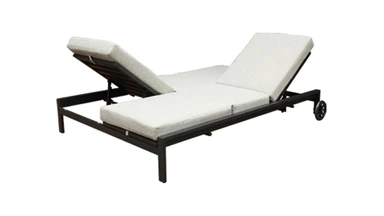
Outdoor Chaise Lounges for Pool and Beach Activity Zones: A Commercial Buyer’s Guide
Pool and beach activity zones need more than attractive furniture. Guests may move between swimming, water sports, sunbathing, dining, and social activities throughout the day. Outdoor chaise lounges must therefore support comfort while also meeting practical requirements for moisture exposure, frequent repositioning, cleaning, spacing, and commercial use.
For hotels, resorts, pool clubs, villas, beach facilities, and residential projects, the correct lounger depends on the site environment and operating model. A product suitable for a private garden may not be the best choice for a high-traffic pool deck where staff move furniture daily.
This guide explains the main factors commercial buyers should review before selecting outdoor chaise lounges.
Define the Activity Zone and User Flow
Begin by identifying how guests use the space.
A quiet hotel pool may prioritize long-term relaxation and premium cushions. A family recreation pool may require more open circulation and furniture that can be cleaned quickly. A beach club may need lightweight loungers that staff can reposition according to sun, wind, and event layouts.
Map the relationship between the loungers and:
Pool entrances and steps
Showers and changing areas
Lifeguard sightlines
Towel stations
Food and beverage service
Umbrellas and shade structures
Sports and play areas
Emergency access routes
Furniture should enhance the guest experience without narrowing important pathways or obstructing operations.
Sling Fabric vs PE Wicker for Poolside Use
Sling fabric and PE wicker create different product characteristics.
Sling loungers provide a streamlined structure and can dry relatively quickly after exposure to water. They are well suited to modern pool decks, fitness clubs, and commercial spaces where easy maintenance is important. The flexible seating surface can also reduce the need for a thick removable cushion.
PE wicker loungers offer a warmer, more decorative appearance. They can coordinate with outdoor sofas, dining sets, and cabanas, making them suitable for resorts, villas, and hospitality spaces that want a consistent furniture collection.
When comparing these materials, consider:
Drying speed
Cleaning procedures
Visual style
Ventilation
Cushion requirements
Weaving quality
Exposure to sunscreen and pool water
Expected replacement cycle
The material should match both the environmental conditions and the property's design identity.
Compare Aluminum and Steel Frames
The frame supports the entire lounger and influences weight, handling, and durability.
Aluminum is commonly selected for pool and beach environments because it provides a favorable balance between strength and weight. Lightweight furniture is easier for staff to align, clean beneath, and move during events or severe weather.
Steel frames can create a heavier and stable structure. They may be appropriate for protected areas or projects where frequent movement is not required. Surface treatment is especially important because damaged coatings can expose the underlying metal to moisture.
Commercial buyers should compare:
Frame weight
Tube dimensions
Weld quality
Surface coating
Joint construction
Drainage design
Coastal or high-humidity suitability
Maintenance requirements
A well-finished frame should not have sharp welds, unstable joints, or areas where water can remain trapped.
Choose the Right Reclining Structure
The reclining mechanism determines how users adjust their position.
Some chaise lounges provide several fixed backrest angles, while others use a continuous or simplified adjustment structure. More positions can improve user comfort, but additional moving components may also require more inspection and maintenance.
The adjustment mechanism should:
Be easy to operate
Hold securely at each position
Avoid unexpected release
Minimize pinch points
Remain aligned after repeated use
Support smooth movement
Be accessible to staff during inspection
Sample testing should include repeated adjustment cycles and use by people of different heights. Buyers should also check whether the user must stand up to change the backrest position.
Consider Wheels, Weight, and Daily Repositioning
Commercial properties often reposition loungers every morning and evening.
Furniture may also be moved for cleaning, events, weather protection, or changes in guest demand.
Built-in wheels can simplify this process, especially for heavier models. The wheels should roll smoothly on the actual deck surface and should not leave marks or become blocked by sand and debris.
Without wheels, the total product weight becomes more important. A very light lounger is easy to move but should still remain stable under normal conditions. A heavy lounger may feel secure but increase staff workload.
The handling method should be evaluated as part of daily operations, not only during product selection.
Plan Spacing Between Lounge Chairs
Spacing affects privacy, accessibility, cleaning, and service efficiency.
Crowded loungers can make guests uncomfortable and make it difficult for staff to deliver towels, drinks, or cleaning services. They may also restrict access to side tables and umbrellas.
Allow room for:
Users entering and leaving the lounger
Reclining backrests
Side tables
Personal belongings
Staff circulation
Wheelchair or mobility access where required
Cleaning equipment
Umbrella bases
The required spacing will vary according to local requirements and the project layout. Buyers should test full-scale positioning before finalizing the number of loungers.
Select Cushions for Wet and High-Traffic Areas
Cushions can improve comfort and visual appeal, but they require appropriate materials and management.
For poolside use, cushion covers should be selected with moisture, sunlight, stains, and frequent cleaning in mind. The internal filling should support drainage and drying according to the intended environment.
Useful design details include:
Removable covers
Secure attachment points
Hidden or protected zippers
Adequate ventilation
Suitable seam construction
Replacement-cover availability
Clear cleaning instructions
Properties that cannot remove or store cushions during poor weather may prefer sling loungers or thinner quick-drying pads.
Inspect Stability, Joints, and Surface Finishing
A commercial lounger should be evaluated as a complete structure.
Check whether all legs contact the ground evenly and whether the frame remains stable when the user sits near the edge or adjusts position. Welds, fasteners, reclining supports, wheels, and feet should be inspected carefully.
For wicker products, look for:
Consistent weaving tension
Secure ends
Smooth edges
Even color
No loose strands
Proper coverage around corners
For sling products, check fabric tension, seam quality, and attachment to the frame. A surface that is too loose may reduce comfort, while excessive tension may place unnecessary stress on the structure.
Prepare for Coastal and Poolside Conditions
Pool and beach environments expose furniture to moisture, salt, chlorine, sunscreen, sand, and strong sunlight.
No outdoor furniture is maintenance-free. Regular rinsing, cleaning, inspection, and proper storage can help reduce premature deterioration.
Properties should establish procedures for:
Removing sand and chemical residue
Drying cushions
Checking coatings and fasteners
Cleaning wheels and moving parts
Storing furniture during storms
Replacing damaged components
Rotating units to balance wear
The selected product should be compatible with the property's available maintenance resources.
How to Order Chaise Lounges for a Commercial Project
Provide the supplier with information about the site location, climate, intended quantity, required dimensions, frame preference, surface material, cushion needs, colors, and delivery schedule.
Commercial buyers should request samples and review comfort, reclining operation, movement, stability, and cleaning. Packaging should also be considered because large loungers can occupy substantial shipping volume.
Knock-down structures may reduce freight space, while fully assembled products can simplify installation. The best choice depends on labor availability, project schedule, and assembly requirements.
Conclusion
Outdoor chaise lounges for pool and beach activity zones must balance comfort, appearance, mobility, moisture management, and commercial durability.
By evaluating materials, frames, reclining mechanisms, cushions, spacing, and daily handling requirements, project buyers can create a more efficient poolside layout and a more comfortable guest experience.